5 Signs Your Thrift Store Find Could Be Worth Hundreds of Dollars
5 Signs Your Thrift Store Find Could Be Worth Hundreds of Dollars
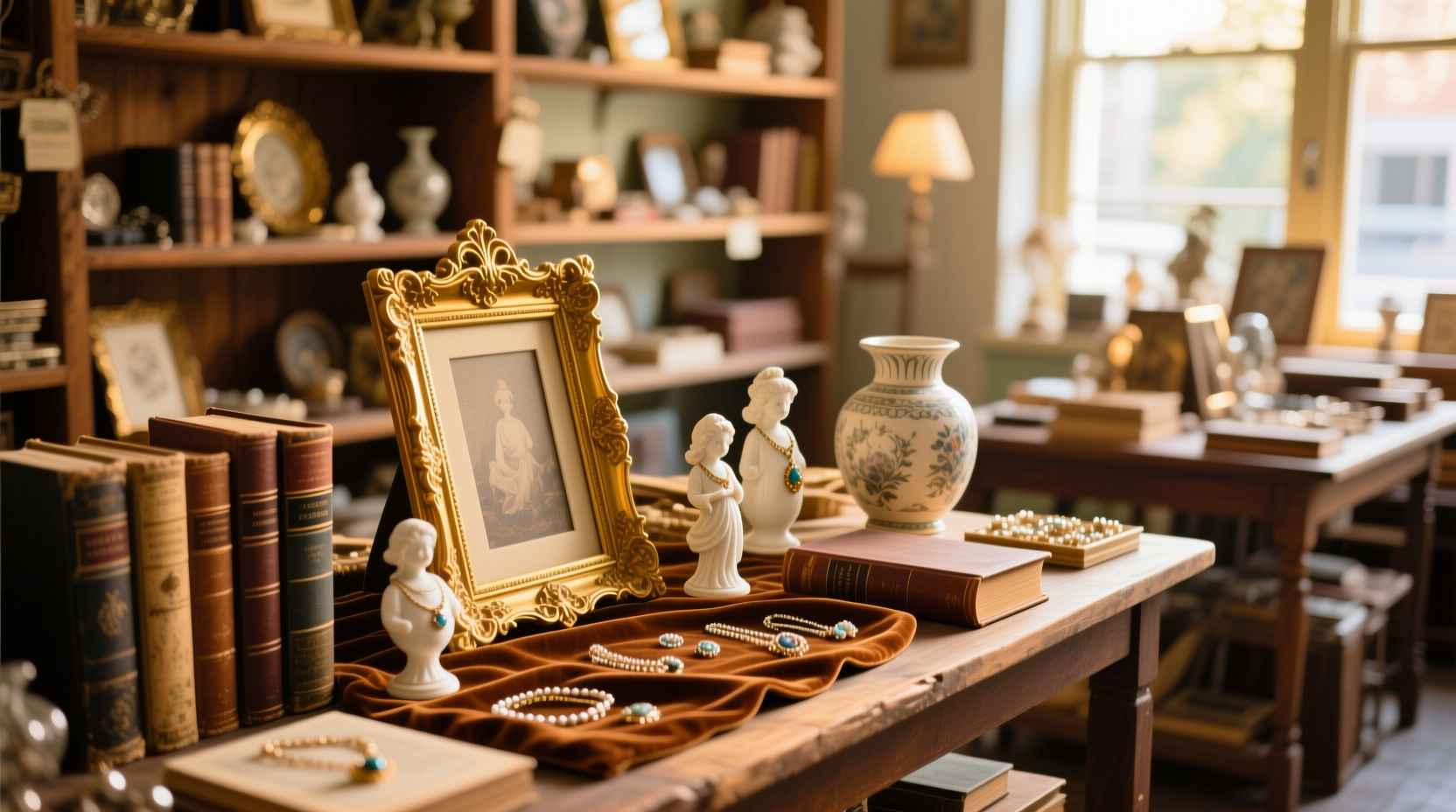
You're browsing the dusty shelves of your local thrift store when something catches your eye. Maybe it's an ornate picture frame, a peculiar ceramic figurine, or a piece of jewelry with an unusual design. Your heart skips a beat as you wonder: "Could this actually be worth something?"
We've all heard those legendary stories—the person who bought a painting for $4 that turned out to be worth $100,000, or the ceramic bowl purchased for $3 that sold at auction for $2,225. While these incredible finds are rare, valuable items do slip through the cracks more often than you might think.
The challenge is knowing what to look for. Most thrift store employees aren't antique experts, and valuable pieces often hide in plain sight among mass-produced items. But once you know the signs, you'll start seeing potential treasures everywhere.
1. Quality Materials and Construction That Feel "Different"
The first thing that should grab your attention is exceptional quality. Valuable antiques were often made during eras when craftsmanship mattered more than speed or cost-cutting.
What to feel for: - Weight: Genuine antique metals, ceramics, and glass tend to be heavier than modern reproductions - Smooth finishes: Hand-finished pieces often have a different texture than machine-made items - Solid construction: No wobbly joints, cheap-feeling hardware, or obvious glue marks
Materials that signal value: - Sterling silver (look for "925" or "Sterling" marks) - Solid wood furniture with dovetail joints - Hand-blown glass with slight imperfections - Natural materials like ivory, mother-of-pearl, or genuine tortoiseshell (note: some may have legal restrictions)
I once watched a collector examine a small wooden box for nearly ten minutes, running their fingers along every edge. They eventually bought it for $15—it turned out to be a handcrafted puzzle box from the 1800s worth over $400. The telltale sign? The incredibly tight, seamless joints that could only be achieved by hand.
2. Maker's Marks, Signatures, or Unusual Stamps
This is where many valuable pieces reveal themselves. Maker's marks are like signatures—they tell you exactly who made an item and often when.
Where to look: - Bottom of ceramics, vases, and figurines - Back or underside of picture frames - Inside of jewelry pieces - Underside of furniture - Back of paintings or prints
Red flag marks to research: - Names you don't recognize (could be famous in collector circles) - Foreign text or symbols - Numbers that could indicate limited editions - Hand-written signatures or initials
Pro tip: Don't dismiss items with marks you can't immediately identify. Some of the most valuable pieces bear the signatures of artists or makers who are famous only within specific collecting communities. A pottery mark that means nothing to most people could indicate a piece worth hundreds to ceramic collectors.
3. Unusual or Intricate Design Elements
Mass-produced items tend to be simple and functional. Valuable antiques often feature details that would be too expensive to replicate in modern manufacturing.
Design elements that suggest value: - Hand-painted details (look for slight variations that indicate human artistry) - Intricate metalwork or filigree - Unusual proportions or shapes - Multiple materials combined in sophisticated ways - Decorative elements that serve no functional purpose
Historical style cues: - Art Deco geometric patterns (1920s-1930s) - Victorian ornate flourishes (1837-1901) - Mid-century modern clean lines (1945-1965) - Arts and Crafts movement natural motifs (1880s-1920s)
One collector I know has a rule: "If it makes me stop and stare, it's worth investigating." She's found several pieces worth $200-500 simply because their unusual beauty made her pause and look closer.
4. Age Indicators That Can't Be Faked
Genuine wear patterns: - Smooth wear on handles where hands naturally grip - Fading that makes sense based on sun exposure - Small chips or scratches in logical places - Patina (natural aging) on metals that looks organic, not artificial
Manufacturing clues: - Slightly uneven surfaces (pre-industrial handwork) - Tool marks that indicate hand-crafting - Construction methods that predate modern techniques - Materials or colors that weren't available in certain eras
Be wary of: - "Aging" that looks too uniform or artificial - Wear patterns that don't make logical sense - New-looking hardware on supposedly old pieces - Perfect condition items claiming to be centuries old
Remember, some reproduction techniques are sophisticated, but they rarely get every detail right. Trust your instincts—if something feels "off" about the aging, it probably is.
5. Items from Specific Categories Known for Hidden Value
Certain types of items are more likely to slip through thrift store pricing because their value isn't obvious to casual observers.
High-potential categories:
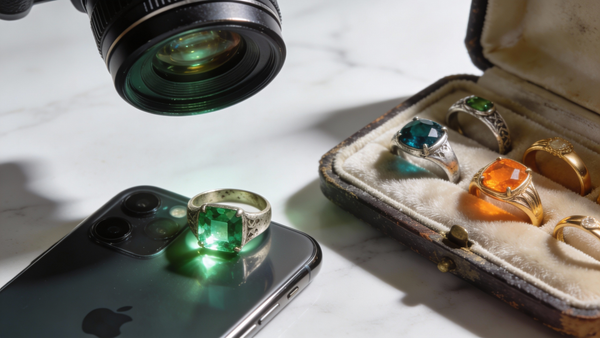
Vintage costume jewelry (1920s-1960s): Pieces by designers like Miriam Haskell, Eisenberg, or Trifari can be worth $100-800+
Mid-century ceramics: Pottery from studios like Heath Ceramics, Russel Wright, or European makers often sells for $50-500+
Small decorative objects: Paperweights, letter openers, small sculptures, and desk accessories from quality makers
Vintage handbags: Designer pieces from the 1940s-1980s, especially leather goods with maker stamps
Religious or cultural artifacts: Items with spiritual or cultural significance often have dedicated collector markets
Scientific or professional instruments: Old cameras, medical instruments, or technical tools can be surprisingly valuable
Putting Your Knowledge into Practice
Now that you know what to look for, here's how to approach your next thrift store visit:
- Take your time: Valuable pieces reward careful examination
- Bring a small flashlight: Many thrift stores have poor lighting
- Don't be afraid to pick things up: You need to feel weight and examine construction
- Photograph maker's marks: Research them later if you're unsure
- Trust your instincts: If something feels special, investigate further
When you find something promising: - Research comparable items online before purchasing - Check completed eBay listings for actual selling prices - Consider consulting with experts or using identification tools - Remember that condition significantly affects value
For quick identification help, tools like AntiqueSnap can help you research potential finds right in the store by analyzing photos of items and their maker's marks.
The Reality Check
While it's exciting to hunt for treasures, keep realistic expectations. Most thrift store items aren't worth more than their price tags. The joy should come from the hunt itself, the history you're preserving, and the occasional pleasant surprise.
That said, valuable items do surface regularly. Thrift stores receive donations from estate cleanouts, downsizing seniors, and people who simply don't know what they have. Your knowledge and careful eye can help rescue these pieces from obscurity.
The next time you're browsing those crowded shelves, remember: somewhere among the mass-produced items and worn-out household goods, there might be a small treasure waiting for someone who knows how to look. Take your time, trust your instincts, and enjoy the hunt. You never know what story—or value—you might uncover.
Ready to identify your finds? Download AntiqueSnap on the App Store or Google Play to help research antiques and identify maker's marks right from your phone.